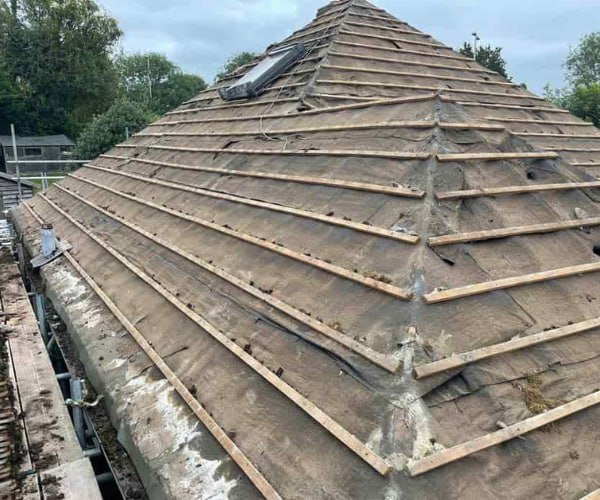
How Can You Tell Whether a Damaged Roof Can Still Be Repaired?
Discovering damage to your roof does not automatically mean that the entire roofing system needs replacing. Many problems can be successfully repaired when the damage is localised and the surrounding roof remains in sound condition. However, there is also a point where repeated or extensive deterioration can make a new roof the more appropriate long-term solution.
For homeowners in Gainsborough, Lincolnshire, the important question is not simply whether a roof is damaged, but how widespread that damage is and whether the remaining roofing system can continue performing reliably. At HJT Roofing Gainsborough, we assess the complete condition of a roof before recommending repairs or replacement, helping homeowners understand what their property genuinely requires.
Start by Understanding the Extent of the Damage
One of the most important factors is whether the roofing problem is isolated or widespread.
A roof with a few damaged tiles, a localised flashing defect or one identifiable leak may still have many years of useful service remaining. In these circumstances, repairing the affected section can often restore effective weather protection.
The situation becomes different when defects are appearing across several parts of the roof. Multiple leaks, widespread tile deterioration or problems affecting several roof junctions can indicate that the roofing system is declining more generally.
A professional inspection helps establish the difference.
Localised Damage Can Often Be Repaired
Many common roofing defects are suitable for targeted repair when the rest of the roof remains in good condition.
Examples can include:
- Individual slipped tiles
- Cracked or broken tiles
- Localised lead flashing defects
- Loose ridge components
- Small areas of storm damage
- An isolated source of water ingress
- Minor deterioration around roof junctions
The key is to assess not only the visible defect but also the materials immediately surrounding it.
If neighbouring areas remain secure and serviceable, a carefully completed repair may be all that is required.
One Roof Leak Does Not Necessarily Mean You Need a New Roof
Finding water inside the property can understandably make homeowners concerned about the condition of the entire roof.
However, a single leak does not automatically indicate widespread roof failure.
Water may be entering through one relatively small defect, such as displaced flashing, a damaged tile or a vulnerable junction. Once the true entry point has been identified, it may be possible to resolve the problem with a focused repair.
Accurate diagnosis is therefore essential before deciding that replacement is necessary.
The Age of the Roof Needs to Be Considered
Age alone does not determine whether a roof should be repaired or replaced, but it provides useful context.
A relatively sound roof with an isolated defect may remain a good candidate for repair even after many years of service. By contrast, an older roof showing widespread wear across tiles, fixings, mortar and other components may be approaching the stage where continued repairs become less effective.
The important consideration is the current condition of the complete roofing system rather than its age in isolation.
Look at the Condition of the Surrounding Roof Covering
A damaged tile may be simple to replace, but the condition of the tiles around it can reveal much more about the roof.
If neighbouring tiles remain secure and in good condition, the defect may genuinely be isolated. If numerous tiles are cracked, loose, heavily deteriorated or regularly moving out of position, the problem may be more extensive.
Professional roofers look beyond the obvious damaged area to understand whether the surrounding materials can continue providing dependable protection.
Recurring Problems Can Be an Important Warning Sign
A roof that requires an occasional repair is not necessarily a cause for concern. Roofing materials are constantly exposed to weather and individual defects can occur.
However, repeated problems deserve closer attention.
If one leak is repaired only for another to develop elsewhere, or tiles repeatedly become displaced across different parts of the roof, there may be broader deterioration within the roofing system.
In this situation, continuing to treat each defect individually may not address the underlying condition of the roof.
The Condition Beneath the Roof Covering Matters
Roof tiles or slates are only the outermost part of a complete roofing system.
The condition of the materials beneath them can have a significant influence on whether repairs remain practical. Battens, underlay and structural timbers all contribute to the roof’s ability to perform effectively.
If a defect has allowed moisture to enter for an extended period, the damage may extend further than is visible externally.
This is why a thorough inspection is particularly important when a roofing problem has been present for some time.
Leadwork and Roof Junctions Need Careful Assessment
Some of the most vulnerable areas of a roof are where different surfaces and materials meet.
Lead flashing, valleys and other junctions must direct water away effectively. Deterioration in these locations can create leaks even when the main roof covering remains in relatively good condition.
When the problem is limited to one junction, professional repair may restore the roof without disturbing otherwise serviceable areas.
The important step is identifying precisely where and why the failure has occurred.
Structural Changes Require Closer Investigation
Some roofing problems are more significant than damaged surface materials.
Visible sagging, unusual movement or changes to the roofline can indicate that components beneath the external covering require attention. These symptoms need a more detailed assessment before any repair strategy can be determined.
Simply replacing tiles in an affected area would not resolve a problem originating within the supporting structure.
A professional inspection can establish the extent of the issue and determine the appropriate work required.
Can Previous Repairs Affect the Decision?
Previous repair work can provide useful information about the overall condition of a roof.
A small number of well-executed repairs over many years is quite different from a roof containing numerous patched areas where problems continue to develop.
When inspecting an older roof, an experienced roofer can consider how previous repairs are performing alongside the condition of the original materials. This provides a clearer picture of whether further targeted work remains sensible.
When Does a New Roof Become Worth Considering?
There is no single defect that automatically means every roof requires replacement. The decision is usually based on several factors considered together.
A new roof may become the more suitable option when there is:
- Widespread deterioration
- Damage across multiple roof sections
- Persistent leaks from different locations
- Extensive deterioration beneath the roof covering
- Frequent movement or failure of roofing materials
- A general decline in the reliability of the roofing system
In these circumstances, starting again with a properly installed roofing system can provide more dependable long-term protection than continuing to address individual problems.
Why Professional Diagnosis Is So Important
It can be difficult to judge the true condition of a roof from ground level.
Some serious-looking problems may actually be confined to a relatively small area, while seemingly minor defects can sometimes conceal more extensive deterioration.
Professional roofers assess how the different parts of the roofing system are performing together. This makes it possible to determine whether a repair can genuinely restore the roof rather than simply improving its appearance temporarily.
For homeowners in Gainsborough, Lincolnshire, this assessment provides a much stronger basis for deciding between repairs and a new roof.
Choosing the Right Solution for the Roof You Have
The objective should always be to carry out the work the roof actually needs.
If a sound roofing system can be restored through targeted repairs, unnecessary replacement should not be the automatic recommendation. Equally, if deterioration has become widespread, repeatedly repairing individual symptoms may not provide the reliability a homeowner expects.
At HJT Roofing Gainsborough, we provide professional roof repairs and new roofing solutions throughout Gainsborough, Lincolnshire. Our approach begins with understanding the condition of the existing roof so that the work carried out is appropriate to the problem.
Conclusion
A damaged roof can often still be repaired when the problem is localised and the surrounding roofing system remains in good condition. Slipped tiles, individual leaks, flashing defects and small areas of deterioration can frequently be addressed without replacing the entire roof.
The decision becomes more complex when damage is widespread, leaks repeatedly appear in different locations or the underlying roofing components have also deteriorated. In these circumstances, a detailed professional inspection is the most reliable way to determine whether further repairs remain practical or whether a new roof should be considered.
If you are concerned about the condition of your roof in Gainsborough, Lincolnshire, HJT Roofing Gainsborough can inspect the affected areas and recommend a suitable course of action. Whether your property requires a focused roof repair or a complete new roofing system, careful diagnosis ensures the solution is based on what your roof genuinely needs.
Call us on: 01427 802 298
Click here to find out more about HJT Roofing Gainsborough
Click here to complete our contact form and see how we can help with your roofing needs.