Commercial Roof Repairs: Common Roofing Issues Affecting Business Premises in Gainsborough, Lincolnshire
A well-maintained roof is essential for protecting commercial premises from rain, wind and changing weather conditions. Whether a building is used as an office, retail unit, workshop or warehouse, roofing problems can disrupt daily operations and put the building’s contents and internal structure at risk.
Commercial roofs often cover large areas and may incorporate flat roofing systems, rooflights, drainage channels and multiple junctions. These features can develop defects over time, making regular inspections and timely repairs important for keeping the building weather-resistant.
For businesses in Gainsborough, Lincolnshire, understanding common commercial roofing issues can help identify problems early and determine when professional assistance is needed. HJT Roofing Gainsborough provides roofing services to help businesses address defects and maintain their premises.
Common Roofing Problems Affecting Commercial Buildings
Commercial roofs face ongoing exposure to rainfall, wind, temperature changes and general ageing. The type of roofing system and the building’s use can influence which problems are most likely to develop.
Leaks and Water Ingress
Roof leaks are among the most disruptive problems affecting commercial premises. Water can enter through damaged roof coverings, failed joints, deteriorating flashing or weaknesses around rooflights and other roof penetrations.
Signs may include damp patches on ceilings, water stains on walls, dripping water or unexplained moisture inside the building. On larger roofs, the source of a leak may be some distance from where the water becomes visible, as moisture can travel along the roof structure before entering the occupied space.
Prompt investigation helps identify the cause and prevents continued water ingress from affecting internal finishes, equipment, stock or other building components.
Flat Roof Deterioration
Many commercial buildings use flat or low-pitched roofing systems. These roofs require suitable waterproofing and effective drainage to prevent water from accumulating on the surface.
Over time, roofing membranes can develop splits, blisters, punctures or areas where joints have weakened. These defects may allow moisture to penetrate the roof and cause damage beneath the covering.
A professional assessment can establish whether a localised repair is suitable or whether a larger section of the roofing system needs attention. Addressing defects early can help preserve the roof’s performance and reduce the risk of more widespread deterioration.
Damaged Flashing and Roof Junctions
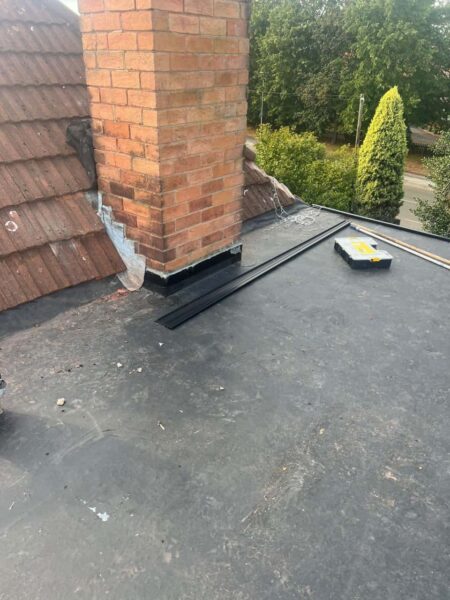
Flashing protects vulnerable points where the roof meets walls, parapets, chimneys and other structures. If flashing becomes loose, cracked or separated from adjoining materials, rainwater can enter through the resulting gaps.
Commercial buildings may have several junctions that require attention, particularly where extensions, rooflights or ventilation equipment interrupt the main roof covering.
Repairs should address both the flashing and the surrounding materials to ensure the junction remains properly sealed.
Blocked Gutters and Poor Drainage
Effective drainage is essential for commercial roofs, especially flat roofs where water may drain more slowly than on pitched surfaces. Leaves, debris and accumulated dirt can obstruct gutters, outlets and downpipes, preventing rainwater from draining away efficiently.
Standing water can place additional demands on the roofing system and may reveal underlying drainage or surface defects. Overflowing gutters can also cause dampness around external walls and entrances.
Regular checks and appropriate maintenance help keep drainage routes clear and make it easier to identify developing problems before they lead to leaks.
Warning Signs That a Commercial Roof Needs Repair
Roofing defects are not always obvious from inside the building, so recognising early warning signs is important.
Look out for:
- Water stains or damp patches on ceilings and walls.
- Drips or leaks following rainfall.
- Visible cracks, splits or lifting sections on a flat roof.
- Loose or damaged flashing around roof junctions.
- Gutters overflowing during wet weather.
- Unusual changes to the roof’s appearance following strong winds.
These signs do not always indicate the same underlying fault. A professional inspection can help establish the cause and determine the appropriate repair rather than relying on temporary measures that may not resolve the problem.
Why Timely Commercial Roof Repairs Matter
Leaving a roofing defect unattended can allow water to continue entering the building, potentially affecting insulation, timber, ceilings and internal finishes. Moisture may also disrupt normal business activities if working areas, stored goods or equipment become affected.
Timely repairs help restore the roof’s protective function and limit the spread of damage. They can also help businesses plan maintenance around their operations instead of responding to a more disruptive problem later.
Where possible, repairs should address the source of the defect rather than only the visible signs. For example, treating a ceiling stain will not prevent further water ingress if damaged flashing or a split roof membrane remains unrepaired.
How Professional Commercial Roof Repairs Are Carried Out
The appropriate repair depends on the roofing system, the extent of the damage and the condition of the surrounding materials.
A roofing specialist will assess the affected area, investigate likely entry points and check whether other components may also be contributing to the problem. The work may involve repairing a damaged membrane, replacing broken roof tiles, securing flashing, restoring joints or resolving localised drainage issues.
For larger commercial roofs, it is particularly important to understand how the different components work together. A repair should provide effective weather protection while taking account of the existing roof construction.
HJT Roofing Gainsborough can help businesses in Gainsborough, Lincolnshire, identify commercial roofing problems and arrange suitable repairs based on the condition of the roof.
Preventing Recurring Roofing Problems
Routine roof maintenance can help identify small defects before they develop into more serious issues. Inspections should consider the roof covering, flashing, joints, drainage outlets and gutters, as well as any areas that have previously required repair.
Checks following severe weather can also help identify displaced materials or damage that was not present before. Keeping a record of recurring leaks and previous repairs may help highlight areas that need closer attention.
The most suitable maintenance routine will depend on the building’s roof type, age, exposure and general condition. A consistent approach helps businesses monitor deterioration and make informed decisions about necessary repairs.
Conclusion
Commercial roofing problems such as leaks, damaged membranes, failed flashing and blocked drainage can affect the condition of a building and disrupt everyday business activities. Recognising the warning signs and arranging timely repairs helps protect the premises and reduce the risk of further deterioration.
For businesses in Gainsborough, Lincolnshire, HJT Roofing Gainsborough can provide assistance with commercial roof repairs and help identify suitable solutions for your building. If you have noticed signs of damage or are concerned about the condition of your commercial roof, get in touch to discuss your requirements and arrange a professional assessment.
Call us on: 01427 802 298
Click here to find out more about HJT Roofing Gainsborough
Click here to complete our contact form and see how we can help with your roofing needs.